
Soil Science Reviewer for ALE Philippines 2026 (Deep Dive)
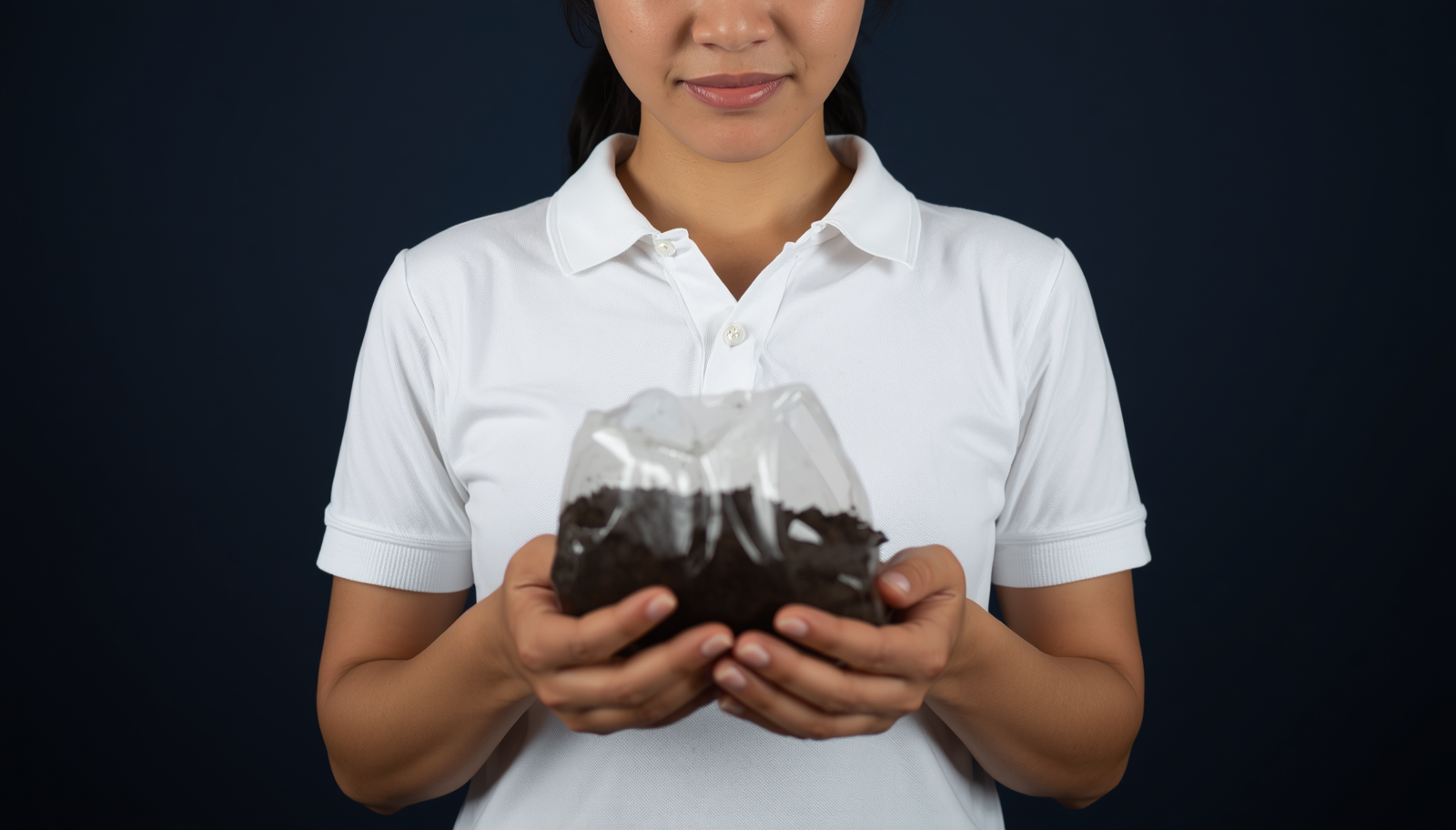
Soil Science is the second most heavily weighted subject in the ALE and the one with the most consistent year-to-year question patterns. If there is one topic you can count on seeing in every ALE cycle it is soil pH and its relationship to nutrient availability. This deep dive reviewer covers everything you need to master this subject completely.
Soil Formation and Profile
How Soils Form
Soil forms through the weathering of parent material over time. The five soil-forming factors are summarized by the acronym CLORPT:
Climate: Temperature and rainfall drive chemical and biological weathering. Tropical climates like the Philippines promote rapid weathering and deep soil development.
Organisms: Plant roots, soil animals, and microorganisms contribute organic matter and physically break up rock.
Relief (topography): Slope affects drainage, erosion, and the accumulation of materials. Flat areas accumulate deeper soils. Steep slopes have shallow, eroded soils.
Parent material: The rock or sediment from which the soil develops. Volcanic parent material (common in the Philippines) produces fertile soils.
Time: Soil formation is a very slow process measured in thousands to millions of years.
The Soil Profile
A soil profile is a vertical cross-section of soil from the surface to the parent material. It consists of horizontal layers called horizons.
Soil Physical Properties
Soil Texture
Soil texture refers to the relative proportions of sand, silt, and clay particles.
Sand: Largest particles (0.05 to 2.0 mm). Feels gritty. Low water holding capacity. High aeration. Low fertility.
Silt: Medium particles (0.002 to 0.05 mm). Feels smooth or floury when moist. Moderate water holding capacity.
Clay: Smallest particles (less than 0.002 mm). Feels sticky and plastic when moist. High water holding capacity. High CEC. Prone to waterlogging and compaction.
Loam: A balanced mixture of sand, silt, and clay that exhibits the best properties for crop production. Loam soils have good water holding capacity, drainage, aeration, and nutrient retention.
Textural triangle: The USDA soil textural triangle is used to classify soil texture based on the percentages of sand, silt, and clay. ALE questions may present a composition and ask you to identify the texture class.
Soil Structure
Soil structure refers to the arrangement of soil particles into aggregates. Good soil structure promotes:
Granular structure: Small, rounded aggregates. Ideal for crop production. Common in well-managed topsoils with high organic matter.
Platy structure: Flat, horizontal layers. Restricts water movement and root penetration.
Massive structure: No visible aggregation. Hard when dry, dense and sticky when wet. Common in compacted or poorly managed soils.
Soil pH and Nutrient Availability
Soil pH is the most consistently tested concept in ALE soil science. Every cycle has questions about it.
Correcting Soil pH
Acidic soils (pH too low): Apply agricultural lime (CaCO₃) or dolomitic lime (CaMg(CO₃)₂) to raise pH. Lime also supplies calcium and magnesium. The amount of lime needed depends on the soil's buffer capacity (ability to resist pH change).
Alkaline soils (pH too high): Apply elemental sulfur, which is oxidized by soil bacteria to form sulfuric acid, lowering pH. Acidifying fertilizers like ammonium sulfate also gradually lower pH.
Cation Exchange Capacity (CEC)
CEC is the total capacity of a soil to hold exchangeable cations. It is one of the most important indicators of soil fertility.
Units: expressed in cmol(+)/kg or meq/100g soil.
What contributes to CEC:
Why CEC matters: Soils with high CEC hold more nutrients and are less susceptible to nutrient leaching. Sandy soils with low CEC require more frequent fertilizer applications.
Base saturation: The percentage of CEC occupied by basic cations (Ca²⁺, Mg²⁺, K⁺, Na⁺). High base saturation indicates fertile soil. Low base saturation indicates acidic, potentially infertile soil.
Soil Classification in the Philippines
The Philippines uses the USDA Soil Taxonomy system for classifying soils. Some major soil orders commonly encountered:
Ultisols: Acidic, leached soils found in humid tropical areas. Low base saturation. Common in upland Mindanao. Low natural fertility.
Inceptisols: Weakly developed soils with some horizon development. Common in river valleys and younger landforms. Moderate fertility.
Entisols: Minimal soil development. Found on recent alluvial deposits and steep slopes. Include the fertile alluvial soils of river plains.
Vertisols: Heavy clay soils that shrink and crack when dry and swell when wet. Found in parts of Bicol and Central Luzon. Difficult to manage but potentially fertile.
Soil Conservation and Erosion Control
Types of Soil Erosion
Sheet erosion: Uniform removal of a thin layer of topsoil over a large area. Most insidious because it is often not visible.
Rill erosion: Formation of small channels (rills) as water concentrates on slopes. Early stage of gully erosion.
Gully erosion: Deep channels formed by concentrated runoff. Severe form of erosion that removes subsoil.
Wind erosion: Removal of dry, loose topsoil by wind. More common in dry areas and during dry season.
Soil Conservation Measures
Contour farming: Planting across the slope rather than up and down. Rows act as barriers to water flow and reduce runoff velocity.
Strip cropping: Alternating strips of erosion-susceptible crops (corn, tobacco) with erosion-resistant crops (grasses, legumes) across the slope.
Terracing: Construction of level benches on steep slopes to reduce slope length and slow runoff. Requires significant labor but highly effective.
Hedgerow intercropping (alley cropping): Rows of trees or shrubs planted along contour lines with crops grown between them. Trees reduce erosion, add organic matter, and can fix nitrogen.
Cover cropping: Growing crops specifically to protect soil from erosion during fallow periods.
Practice What You Just Learned
Soil science questions in the ALE are most reliable when you fully understand the pH-nutrient relationship and CEC. Practice these concepts now. No account needed.
Practice Agriculture Questions at LisensyaPrep
Related ALE Articles
All ALE Articles on LisensyaPrep
- How to Pass the Agriculture Board Exam on Your First Take
- ALE Coverage 2026: Complete Subject Breakdown
- Animal Science Reviewer for ALE Philippines 2026
- Plant Pathology and Crop Protection Reviewer for ALE 2026
- Crop Science Reviewer for ALE Philippines 2026
- Soil Science Reviewer for ALE Philippines 2026
- Agricultural Economics Reviewer for ALE Philippines 2026
- How to Apply for ALE via PRC LERIS 2026
- ALE Passing Rate and Results 2026
Start Your ALE Review
Free practice questions for all ALE subject areas. No account required.
⚔️ Start Practicing at LisensyaPrep →